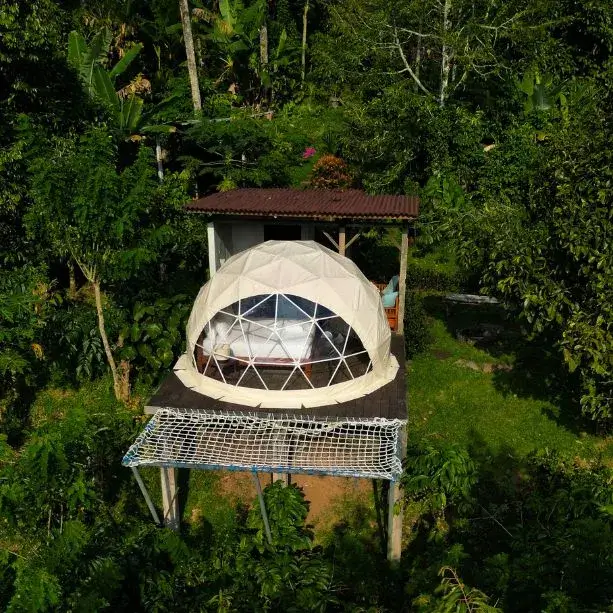
Bali Jungle Camping Guide: What to Honestly Expect at a Bali Rainforest Camp
Trading Bali’s bustling southern beach clubs for the deep, green embrace of the island’s ancient forests is a dream for many. Waking up to the gentle canopy mist, falling asleep to the rhythmic chorus of cicadas and flowing rivers, and breathing in the cool, damp mountain breeze is incredibly restorative. It is a side of Bali that feels beautifully unchanged, quiet, and wildly romantic.
But here is the honest, unpolished truth: sleeping in the jungle is very different from staying in an air-conditioned coastal resort.
Because many of Bali’s eco-lodges, bamboo domes, and forest cabins are designed with an open-air, nature-first concept, you are not just looking at the jungle—you are living inside it. If you show up expecting a sterile, bug-free five-star hotel room, you might feel overwhelmed by the sheer, untamed reality of the tropical wilderness. Conversely, if you prepare properly and know what to expect, a rainforest stay can easily be the most magical, life-changing chapter of your entire Bali trip.
In this guide, we will break down the essential realities of staying at a Bali jungle camp—from the humidity and local insects to the steep river-valley climbs and conservation rules—so you can fully embrace the wilderness without any surprises.
Let’s dive in.
1. The Reality of Humidity & Tropical “Roommates”
In a lush, tropical rainforest, humidity levels are naturally high, and the boundaries between indoors and outdoors are beautifully blurred.
Bugs, Geckos, and Forest Sounds
When you stay in a bamboo yurt, a wooden cabin, or an open-concept eco-lodge (like Green Camp Bali in Abiansemal or Bali Jungle Camping in Pupuan), you are entering a thriving ecosystem. This means you will occasionally share your space with local “roommates”:
- The Insect Symphony: Harmless ants, beetles, spiders, and caterpillars are a natural part of forest life. Housekeeping at these camps is exceptionally tidy, but in a raw jungle environment, crawling critters will occasionally find their way onto your balcony or into your room.
- The Geckos: You will definitely hear the loud, distinctive, and surprisingly cheerful “To-Kek!” call of the local geckos at night. They are completely harmless and are actually your best friends because they eat mosquitoes and flies!
- Deep Jungle Humidity: Because of the dense forest canopy, the air is damp. Bed linen and clothes can feel slightly cool or humid to the touch. It is not dampness from rain, but rather the heavy morning dew and forest moisture.
2. Those Endless River-Gorge Stairs
Many of Bali’s most iconic jungle sanctuaries (especially around Ubud and Payangan, such as Fivelements Retreat Bali and COMO Shambhala Estate) are built along the dramatic, steep gorges of the sacred Ayung River.
The Cliffside Layout
To capture the most spectacular river views and preserve the ancient trees, accommodations are built directly into the steep volcanic cliffside. Waking up to look straight down into a rushing river valley is breathtaking, but it requires some physical effort:
- The Stair Climb: Walking from the main reception down to your jungle cabin, the spa, or the river suspension bridge frequently involves navigating 50 to 150 steep, hand-carved stone steps.
- Electric Buggy Services: Some premium properties (like Jungle Retreat Ubud, which is integrated with the Kupu Kupu Barong estate) offer fun, responsive electric buggy services to ferry you down the steepest slopes. However, you will still need to walk up and down stairs to reach the pools, yoga shalas, and dining decks.
- Wayan Jhon’s Tip: If you have knee issues, weak ankles, or are traveling with elderly family members, always contact the camp hosts on WhatsApp beforehand to request a room located on flatter ground near the main facilities.
3. Bumpy Remote Roads & Zero Ride-Sharing
The most beautiful, untouched jungle camps are located far away from southern Bali’s traffic grids—tucked deep inside misty coffee plantations in Pupuan or the high-altitude forests of Munduk.
Navigating the Off-Road Terrain
Getting to these secluded sanctuaries is part of the adventure, but you need to plan ahead:
- The Bumpy Finale: The final approach road to remote hideaways (like the Jungle Bubble Lodge in Payangan or The Getaway Camp Bali in Buleleng) often involves navigating long, incredibly narrow, unpaved dirt tracks through local rice fields and plantations. Standard city cars can struggle, and there are absolutely no streetlights after dark.
- No Gojek or Grab: Standard ride-sharing apps and food delivery services do not operate in these deep countryside zones. You cannot simply order a late-night GoFood delivery to your tent door.
- Wayan Jhon’s Tip: Arrange to check in during the afternoon (before 4:00 PM) while you still have plenty of daylight to navigate the narrow roads safely. Always pre-pack your favorite snacks, chocolates, and personal toiletries before leaving the city, as there are no convenience stores within walking distance.
4. Highland Chills vs. Lowland Sweat
Bali’s jungle climate changes drastically depending on your elevation. You cannot pack the same outfit for a jungle camp in Ubud as you would for a wilderness camp in Buleleng or Bedugul.
The Altitude Temperature Split
- Lowland Jungles (Ubud, Abiansemal, Payangan): These areas sit at a lower altitude. The weather here is warm and highly humid. You will want light, breathable cotton clothing, swimwear for river dips, and an electric fan to keep the air moving in your tent or cabin.
- Highland Rainforests (Munduk, Bedugul, Pupuan): Perched over 1,000 meters above sea level, camps like Jungle Adventure Cabin Camping in Bedugul or The Getaway Camp in Munduk get surprisingly cold. After sunset, the temperature regularly drops to 13°C to 15°C (55°F – 59°F) with heavy, chilly fog rolling in from the mountain lakes.
- Wayan Jhon’s Tip: If you are heading to the highlands, leave your beach shorts behind! Pack warm layers, a thick fleece or sweater, a cozy beanie, and warm socks. Since these rustic cabins do not have indoor heaters, sitting by a crackling campfire at night in warm clothes is the ultimate cozy experience.
5. The Wild Conservation Frontier: West Bali National Park (TNBB)
If you are looking for the absolute peak of raw wilderness camping in Bali, you have to look far to the northwest. West Bali National Park (Taman Nasional Bali Barat or TNBB) offers a massive 19,002-hectare protected reserve that represents the island’s most pristine terrestrial and marine ecosystems.
But camping or staying near a national park is a completely different ballgame from a standard Ubud resort.
Strict Eco-Rules and Rare Wildlife
- Strict “Leave No Trace” Campfires: In the designated camping areas of TNBB (like the Cekik Camping Ground or near Labuan Lalang), campfires are strictly monitored. Building unauthorized open-ground campfires is prohibited because they destroy local vegetation, increase forest fire risks, and disturb the delicate fauna.
- Mandatory Guides for Forest Trails: You cannot simply wander off into the park’s six distinct forest ecosystems alone. To prevent environmental degradation, illegal logging, and wildlife poaching, the BKSDA (National Park Management) legally requires you to hire a certified local guide for any forest tracking or wilderness expeditions.
- Spotting the Endangered Bali Starling: TNBB is the last wild sanctuary for the critically endangered Bali Starling (Jalak Bali). Staying in the park or visiting the specialized Jalak Bali breeding center offers an incredible, educational eco-encounter with these magnificent snow-white birds.
- Forest to Reef linkage: The park is famous for its “forward linkage”—allowing you to transition instantly from deep forest tracking to world-class marine diving at Menjangan Island, home to magnificent drop-off coral walls and deep-sea shipwrecks. You can also soothe your muscles after a long trek at the natural geothermal pools of Banyuwedang Hot Springs on the park’s outer edge.
- Wayan Jhon’s Tip: Support the local conservation economy by booking local eco-lodges or homestays in Sumberklampok Village—a local community that has transitioned from farming to providing sustainable guest transport, local meals, and eco-guiding.
Frequently Asked Questions (FAQ)
Ready to Find Your Perfect Jungle Hideaway?
Explore our fully verified, independent directories to find the absolute best forest sanctuary for your travel style:
- Want luxury riverside suites, holistic spa treatments, and organic vegan dining? Compare the best spots in our Eco-Luxury & Forest Wellness Ubud Directory.
- Looking for cozy A-frame cabins, private hot tubs, and misty volcano views? Find your perfect retreat in our Luxury Glamping in Kintamani Directory.
- Ready to camp above the clouds and watch the sunrise from Kintamani’s highest ridges? Browse the best spots in our Epic Sunrise Camps in Bali Directory.
Do you have any questions about navigating the steep river-valley stairs, packing for the mountain chill, or booking a jungle adventure? We are here to help! Feel free to reach out to us directly through our Contact Us Page or send an email to hello@helpfulbali.com, and we will personally help you plan your dream Bali nature escape.