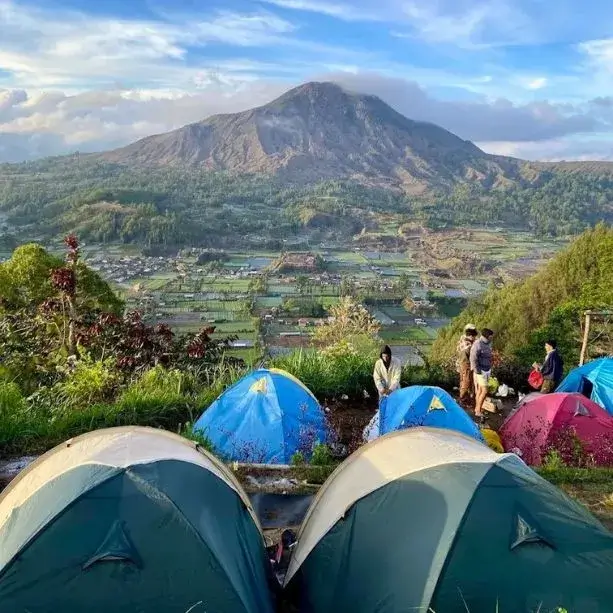
Packing for Kintamani: How to Prepare for Bali’s Cold Mountain Weather (Must-Read Guide)
Mention “Bali” to most travelers, and their minds immediately drift to sun-drenched beaches, surfboards, lightweight linen shirts, and flip-flops. But if you are planning a trip up north to Kintamani’s volcanic highlands, packing only your beachwear is a massive mistake that will leave you shivering in the dark.
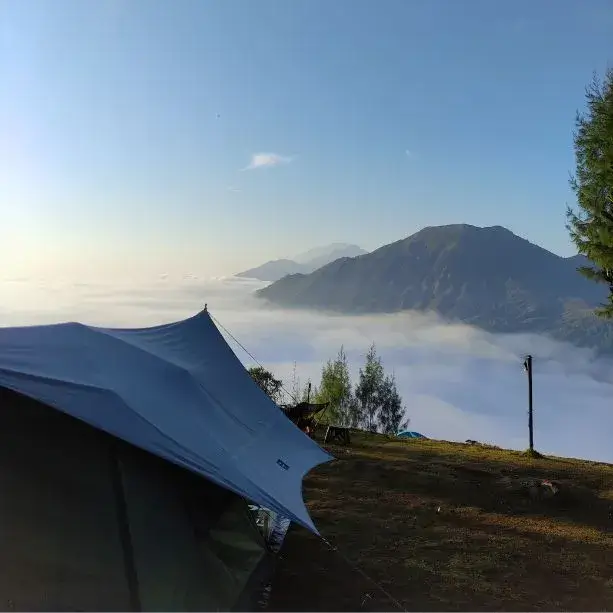
Perched over 1,000 meters above sea level along the rim of an active volcanic caldera, Kintamani is a breathtaking highland sanctuary. It is the ultimate place to watch the sunrise break over Mount Batur, soak in natural geothermal hot springs, and sleep under a pristine blanket of stars.
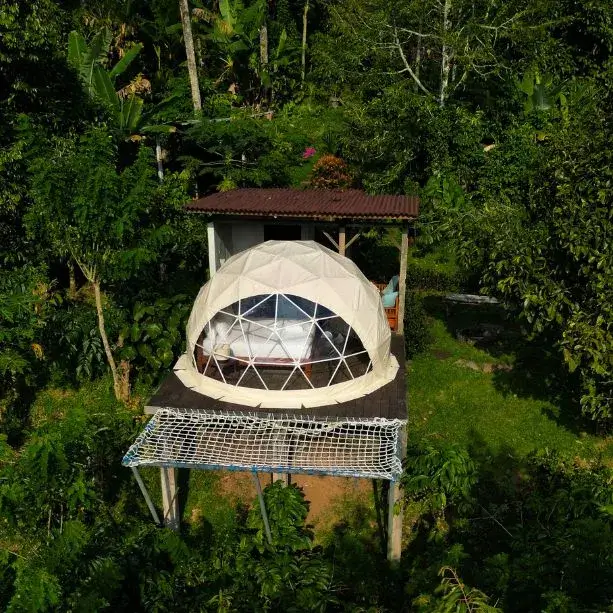
But here is the on-the-ground reality: Kintamani’s climate is the complete polar opposite of Bali’s tropical coastline. Once the sun dips below the horizon, the temperature drops rapidly, often plummeting to 13°C to 15°C (55°F – 59°F), accompanied by howling mountain winds and heavy, damp morning dew. Since many glamping sites here feature canvas tents or dome structures that are naturally drafty, you will freeze if you show up unprepared.
I am Wayan Jhon from HelpfulBali. We don’t copy-paste travel brochures. We live here, and we know exactly what it takes to make your mountain adventure comfortable.
In this ultimate Kintamani packing and prep guide, I will share exactly what to pack to beat the mountain chill, how to handle the seasonal farm flies, and how to navigate the steep roads without a logistical nightmare.
Let’s get you ready for the mountains.
1. The Highland Layering System: What to Wear in Kintamani
When packing, you need to think in terms of layers. The daytime in Kintamani is pleasant and sunny (around 22°C to 24°C), but the nights require heavy-duty warmth. Here is the clothing checklist you should pack:
The Shell: Windbreaker or Lightweight Jacket
If you plan on doing the Mount Batur sunrise trek or sitting outside for a nightly bonfire, a windbreaker is non-negotiable. The wind howling across the caldera ridge can be incredibly sharp and will slice right through a basic cotton t-shirt.
The Mid-Layer: Fleece or Thick Hoodie
Bring your favorite cozy, thick sweater or pullover. You will want to slip this on around 4:30 PM as the afternoon mist begins rolling across Lake Batur and the temperature starts to dive.
Pants: Long Trousers or Thermal Leggings
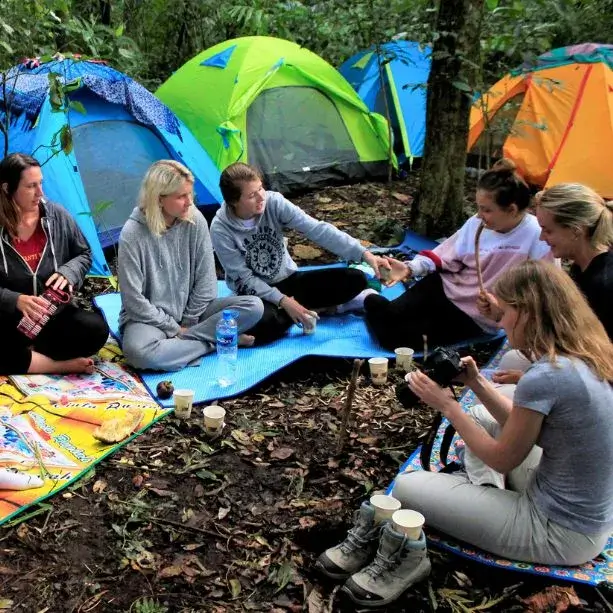
Leave the shorts in Canggu. You will need long pants—ideally thick sweatpants, cargo pants, or heavy-duty leggings. If you are a light sleeper or staying in a basic canvas tent (such as those at Toteme Glamping or Bali Sunrise Camp), sleeping in double-layered pants is a game-changer.
Feet: Closed Shoes and Thick Socks
Sandals are great for the beach, but they are useless when walking around a damp campsite at night. Bring sturdy, closed-toe walking shoes or trainers. Most importantly, pack two or three pairs of thick thermal socks. Waking up at 5:00 AM with freezing feet is a surefire way to ruin your morning coffee.
Swimwear: For the Geothermal Pools
Don’t forget your swimsuit! One of the absolute best things to do in Kintamani is soaking in the natural hot springs (like those at Inaka Cabin or Sunrise Hill Camp) while breathing in the crisp mountain air. Pack a quick-drying towel and a plastic bag for wet swimwear.
2. The Non-Clothing Essentials: Small Items That Save Your Trip
Aside from your wardrobe, these small, practical items will completely elevate your comfort level in the highlands:
- A Headlamp or Reliable Flashlight: Kintamani’s rural campsite paths are minimally lit at night. If you need to navigate to a shared bathroom (some of which require climbing short wooden ladders, like at Bali Sunrise Camp), a hands-free headlamp is a lifesaver.
- A Compact Dry Bag: The morning mist and dew in the caldera can be incredibly heavy, leaving everything damp. A small dry bag will keep your phone, camera, and passport completely safe and dry.
- Your Own Shower Toiletries: While most glamping sites provide clean towels, basic and rustic camps (like Alengkong Bali Camp) often do not stock shampoo or body soap in their shared bathrooms. Pre-pack a small travel bottle of your favorite essentials.
- Communal Fridge Snacks & Coffee: Kintamani’s deep valley is highly secluded. Once you settle in, there are no 24/7 convenience stores nearby. If you get late-night snack cravings, buy your favorite chocolates, potato chips, and drinks in the city before driving up. (Pro-tip: If you are a coffee lover, bring your own favorite drip coffee bags, as many rooms only provide tea as standard).
3. The Local Realities: How to Outsmart Flies and Steep Roads
To have an absolutely flawless mountain getaway, you need to understand and prepare for two highly specific local factors:
Fact A: The Kintamani Farm Fly Factor
If you read online reviews of Kintamani glamping sites, you will see a lot of complaints about swarms of flies. Here is the honest truth behind it: Kintamani is a massive, highly successful agricultural zone. Local farmers grow world-class oranges and vegetables inside the caldera, and they use organic compost and chicken manure to fertilize the volcanic soil.
This naturally attracts hordes of houseflies and bees during the warm daylight hours. It is not a sign of dirty accommodations; it is simply raw Balinese farming life.
- How to outsmart them: Fortunately, these flies are temperature-sensitive. The exact moment the sun sets and the temperature drops, the flies vanish completely.
- The Pro-Tip: Schedule your arrival for the late afternoon (around 3:00 PM or 4:00 PM). Keep your tent mesh doors zipped tightly at all times to maintain a fly-free sleeping sanctuary. If you want to eat breakfast or lunch, order room service to eat comfortably inside your cabin, or bring a couple of sticky fly candles to keep your outdoor terrace clear.
Fact B: Terribly Steep Caldera Roads
The final roads climbing up Kintamani Hill or descending into the Lake Batur caldera basin are notoriously steep, narrow, and winding, featuring extreme 45-degree inclines and slippery switchbacks.
If you are driving a front-wheel-drive automatic car or feel nervous riding a scooter (especially with heavy bags or a passenger), do not force it.
- How to outsmart them: Stick strictly to the paved main roads (like the Penelokan highway) and follow the physical signs of your resort. Do not trust Google Maps blindly—it frequently tries to direct drivers down rough, sandy, unpaved farm shortcuts near Culali or Toya Devasya, which can be highly dangerous.
- The Pro-Tip: If you arrive at an incline that looks terrifying, park safely at the base base area and WhatsApp your hosts. Established camps (like Sunrise Hill Camp or Alengkong Bali Camp) will gladly send their highly experienced local staff to drive your vehicle up or ferry your bags for free or a tiny 50,000 IDR safety fee.
Ultimate Kintamani Packing Checklist
Before you head up the mountain, run through this quick checklist to ensure you have everything:
- [ ] Thick winter jacket, hoodie, or fleece sweater
- [ ] Windbreaker or light rain shell
- [ ] Sturdy closed shoes (trainers or hiking boots)
- [ ] Long pants (sweatpants or heavy leggings)
- [ ] 2-3 pairs of thick thermal socks
- [ ] Swimwear (for hot springs)
- [ ] Flashlight or headlamp
- [ ] High-quality insect/bug repellent
- [ ] Late-night snacks and favorite coffee packets
- [ ] A humble, adventurous mind ready for raw nature!
Frequently Asked Questions (FAQ)
Ready to Book Your Volcanic Sanctuary?
Now that you are fully prepared and packed for the mountain chill, explore our verified directories to find your perfect cozy base:
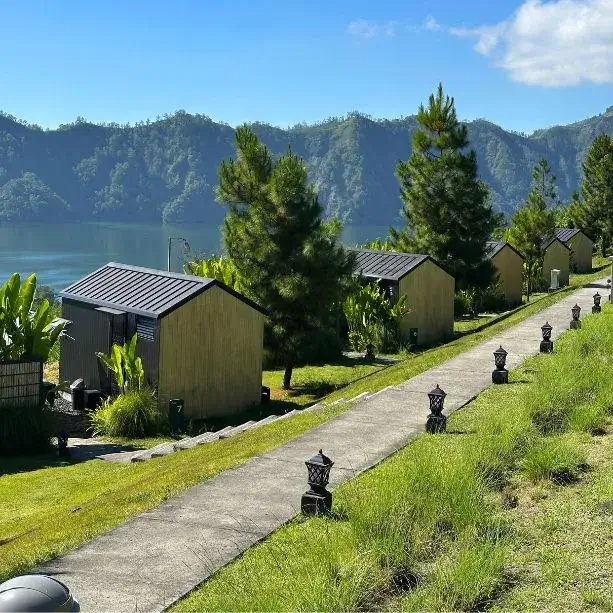
- Want luxury futuristic cabins, transparent domes, and private hot tubs? Compare the highest-rated spots in our Luxury Glamping in Kintamani Directory.
- Looking for rustic clifftop tents and stargazing bonfires above the clouds? Find the best family-run spots in our Epic Sunrise Camps in Bali Directory.
- Ready to swap the volcano wind for tropical river gorges? Discover the best retreats in our Ultimate Jungle Camps in Bali Directory.
Do you have any questions about Kintamani’s weather, roads, or flies? Contact us here, and I will personally help you plan your mountain escape!