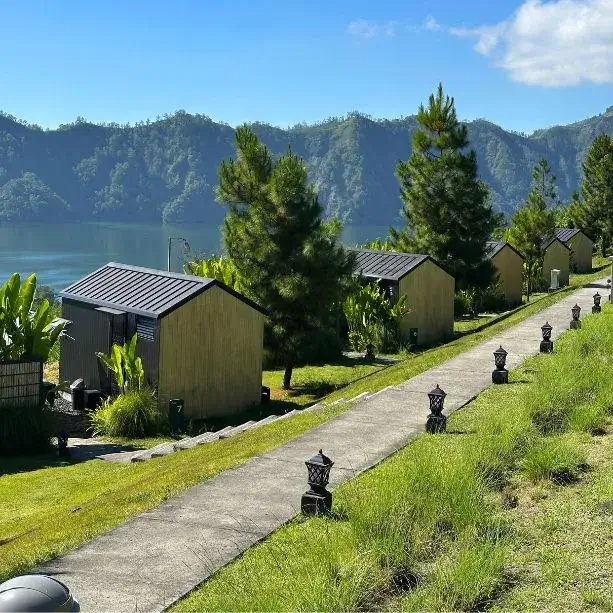
Bali Hot Spring Glamping: Ultimate Batur Guide
Imagine sinking into a steaming pool of mineral-rich geothermal water, watching the evening mist slowly roll across a glassy volcanic lake, while the crisp, cool mountain wind brushes against your face. As the temperature drops to a chilly 15°C, you are perfectly warm, looking up at a vast sky full of brilliant, twinkling stars. This is hot spring glamping in Kintamani, and it is quickly becoming one of the most sought-after wellness escapes in Bali.
But here is the honest truth that most commercial tour agencies won’t tell you: not all hot spring glamping sites are created equal.
If you book a place expecting a quiet, romantic evening but end up soaking in a pool smelling strongly of chemical chlorine while staff clean the deck around you at 7:30 PM, you will be disappointed. Similarly, if you choose a basic tent expecting a private bathroom only to find out you have to walk down a slippery hill in the dark to use a shared toilet, it can ruin your holiday mood.
At HelpfulBali, our team of local writers and seasoned travelers has spent years guiding visitors away from crowded tourist hubs to help them find the real, untouched magic of our island. At HelpfulBali, we believe in showing you the raw, on-the-ground reality so you can plan your trip with absolute confidence.
In this guide, we will break down the best hot spring glamping experiences in Kintamani—from high-end domes with thermal infinity pools to Japanese-style wooden cabins with private volcanic jacuzzis on your deck—so you can find your perfect highland sanctuary.
Let’s dive right in.
1. Why Geothermal Glamping Wins in Kintamani
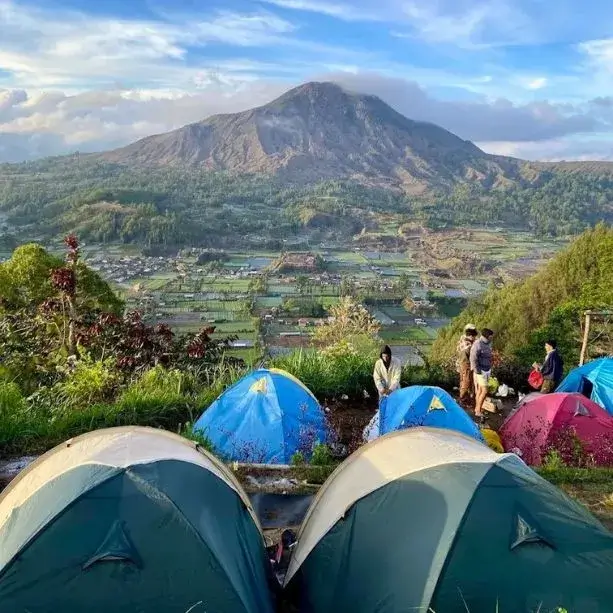
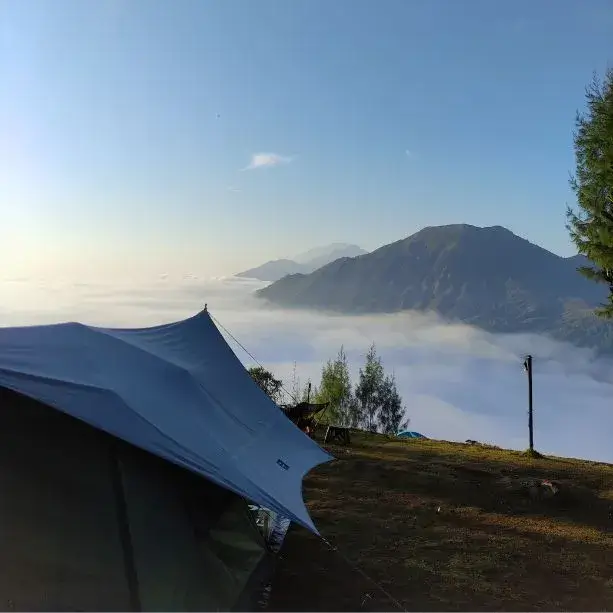
Kintamani sits high on a volcanic caldera ridge, over 1,000 meters above sea level. This high elevation means the climate is drastically different from Bali’s warm coastlines.
At night, the mountain winds kick in, and temperatures regularly drop to 13°C to 15°C (55°F – 59°F). Waking up early or sitting outside in this cold weather can be a shock to your system if you are only packed for the beach.
This is why choosing a camp with direct access to natural geothermal pools is a total game-changer.
The Spiritual Essence of Toya Bungkah
The geothermal waters of Kintamani are centered around the historical area of Toya Bungkah. In the local Balinese language, the name is deeply descriptive: “Toya” means water, and “Bungkah” means big rock fragments, representing how these hot springs bubble up directly from the deep, rocky fissures of Mount Batur’s active volcano.
For the Balinese, this water is not just a leisure attraction—it is sacred. Right at the source stands the ancient Pura Tirta Toya Mas Bungkah, where the hot spring is utilized for Melukat (spiritual water purification ceremonies). Every year, local villagers hold the colorful Odalan (temple anniversary) and the Mecaru ritual to express deep gratitude to the mountain spirits for providing this constant, life-giving heat.
The Scientific Power of Volcanic Waters
Beyond its spiritual roots, the healing properties of Toya Bungkah’s water are backed by rigorous scientific analysis. The water escapes the volcano’s geothermal reservoir at a hot 50°C before being piped into resort pools where it cools down to a comfortable, therapeutic range of 35°C to 43°C (95°F – 109°F).
Scientific testing shows the water has a highly balanced pH of 6.8 to 7.4 (neutral to slightly alkaline), making it incredibly gentle on human skin. It is heavily saturated with natural therapeutic minerals, including:
- Sulfur: Celebrated for its natural antibacterial properties and ability to soothe skin conditions.
- Calcium (Ca²⁺) & Magnesium (Mg²⁺): Excellent for easing joint pain, relaxing tight muscles, and relieving physical fatigue.
- Sodium (Na⁺) & Silica (SiO₂): Works as a natural moisturizer, leaving your skin feeling incredibly soft and smooth after a soak.
- Iron (Fe): Boosts circulation and promotes joint recovery.
Instead of hiding inside your drafty tent under three layers of blankets when the sun goes down, you can spend your evening soaking in a hot volcanic pool, chatting with friends, and enjoying the fresh highland air in absolute comfort.
2. Best Hot Spring Glamping Sites in Kintamani
To help you find the right level of comfort and vibe, we have personally verified and broken down the top geothermal glamping sites below.
A. Toteme Glamping Hotspring: The Photo-Worthy Wellness Escape
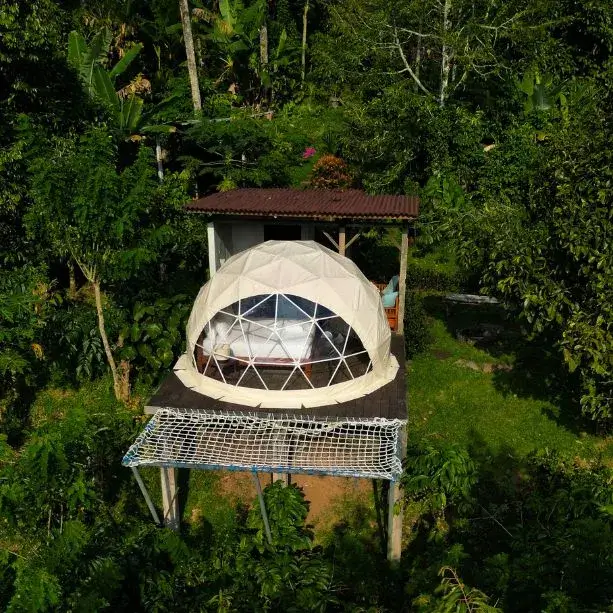
If you are looking for highly aesthetic, modern domes with a gorgeous mountain backdrop, Toteme Glamping is a spectacular choice.
- The Vibe: Sleek, stylish, and heavily focused on wellness and relaxation. It is incredibly popular with couples and content creators.
- The Hot Spring Experience: Toteme features a large, beautiful geothermal infinity pool that sits right against the lake and mountain edge. Soaking here while watching the mist rise in the morning is a spiritual experience.
- On-the-Ground Reality: While Toteme is magical, you must be aware of their pool cleansing policy. Past guests note that the staff occasionally begin cleaning and chlorinating the pools with harsh chemical detergents around 7:30 PM—well before their official 10:00 PM closing time. This can cause skin irritation and ruin an evening soak. Ask the front desk about their exact cleaning schedule when checking in! Also, make sure to book their Deluxe tents if a private indoor bathroom is essential; the Standard tents use basic shared outdoor facilities.
B. Inaka Cabin: The Japanese-Style Private Sanctuary
For travelers who prioritize privacy, quiet luxury, and immaculate cleanliness, Inaka Cabin is an absolute dream come true.
- The Vibe: Peaceful, cozy, and minimalist, featuring gorgeous A-frame wooden cabins built with a clean Japanese aesthetic.
- The Hot Spring Experience: This is the ultimate luxury. Inaka Cabin provides a completely private natural hot spring jacuzzi right on your room’s private terrace. You can adjust the temperature, fill it up, and soak in steaming geothermal waters day or night in absolute, undisturbed solitude.
- On-the-Ground Reality: The final road leading to Inaka is narrow, and their parking lot only fits about two cars. Be sure to message their highly responsive staff on WhatsApp as you arrive so they can guide you in and help with parking. Also, don’t miss out on ordering their affordable evening hot pot or BBQ packages—they serve it directly to your cabin’s private deck so you can dine comfortably under the stars.
C. Sunrise Hill Camp: The Waterfront Hillside Retreat
Built on a lush green hillside sloping gently down to the banks of Lake Batur, Sunrise Hill Camp offers a beautiful, family-friendly highland escape.
- The Vibe: Calm, welcoming, and deeply connected to nature. The hospitality here is incredibly warm and makes you feel right at home.
- The Hot Spring Experience: Guests get unlimited, free access to a stunning lakeside hot spring pool. Watching the sun slowly rise over the water while floating in steaming volcanic water is unforgettable.
- On-the-Ground Reality: Standard tents here use shared communal bathrooms downstairs, which can be slippery and cold to access at night. If you want a private indoor toilet and a personal heated tub on your balcony, bypass the basic glamping boxes and book their Tiny House or VIP Tents instead.
D. LukLuk Bali Camp: The Budget-Friendly DIY Haven
If you are traveling with a group of friends or are an independent explorer looking for a cozy, low-cost waterfront escape, LukLuk Bali Camp is a fantastic hidden gem.
- The Vibe: Raw, authentic, and wonderfully simple. It is run by Bli Nyoman and his warm family, who instantly make you feel like locals.
- The Hot Spring Experience: Despite the low price, you get a private, steaming hot spring pool right outside your dome. It is rustic but highly relaxing.
- On-the-Ground Reality: There are no restaurants or convenience stores within walking distance. However, the camp features a fantastic shared kitchen fully equipped with a stove, gas, and frying pans. Make sure to buy your fresh meats, veggies, snacks, and extra bottled water in the city before driving down so you can enjoy a fun, self-cooked BBQ night by the lake.
3. Essential Tips for Your Hot Spring Adventure
To ensure your volcanic wellness retreat is absolutely flawless, keep these expert local realities in mind:
- Beat the Farm Flies: Kintamani is a major agricultural zone famous for its sweet oranges. Because local farmers use organic chicken manure compost to fertilize their groves, the caldera experiences high swarms of seasonal flies during the warm daylight hours. Fortunately, the flies completely vanish the exact moment the temperature drops after sunset. Plan your check-in for the late afternoon (around 4:00 PM), keep your tent mesh zipped tightly, and utilize room service to eat dinner inside your cabin.
- The Changing Colors of Lake Batur: Lake Batur is a closed volcanic lake with no natural inlets or outlets, making it an incredibly sensitive ecological system. Because it sits directly inside an active volcanic caldera, the water occasionally shifts colors from deep turquoise to a vibrant, pale green. This color change is a natural phenomenon caused by underwater sulfur upwellings from the active caldera floor.
- Understanding the Local Eco-Balance (The Sulfur Factor): Due to its closed nature, Lake Batur faces heavy environmental pressure, particularly from local fish farming. The number of floating fish cages (known as Keramba Jaring Apung or KJA) exploded from around 5,600 in 2017 to over 12,200 in 2021. Sometimes, natural sulfur gas releases from the active caldera bed rise up, causing temporary localized odors and fish mortality. As a tourist, understanding this helps you appreciate the delicate balance of Kintamani—the very same volcanic activity that naturally warms your luxury glamping pool is a powerful, active force of nature.
- Do Not Trust Google Maps Blindly: On your way down to the lake in Songan or Toya Bungkah, Google Maps can easily mislead you into steep, dangerous, unpaved plantation tracks (such as the notorious Culali road). Stick strictly to the paved main roads and look for the official physical signs of your resort.
- Prepare for the Highland Chill: Bring thick thermal socks, double pants, a warm hoodie, and a heavy jacket. Tents are naturally drafty, and you will definitely want warm clothing for the nightly bonfire once you step out of the hot springs.
Frequently Asked Questions (FAQ)
Ready to Plan Your Highland Sanctuary?
Explore our fully verified, independent directories to find the absolute best nature escape for your travel style:
- Want to compare premium cabins with private hot spring jacuzzis? Find your perfect volcanic retreat in our Luxury Glamping in Kintamani Directory.
- Ready to camp above the clouds and watch the sunrise from Kintamani’s highest ridges? Browse the best spots in our Epic Sunrise Camps in Bali Directory.
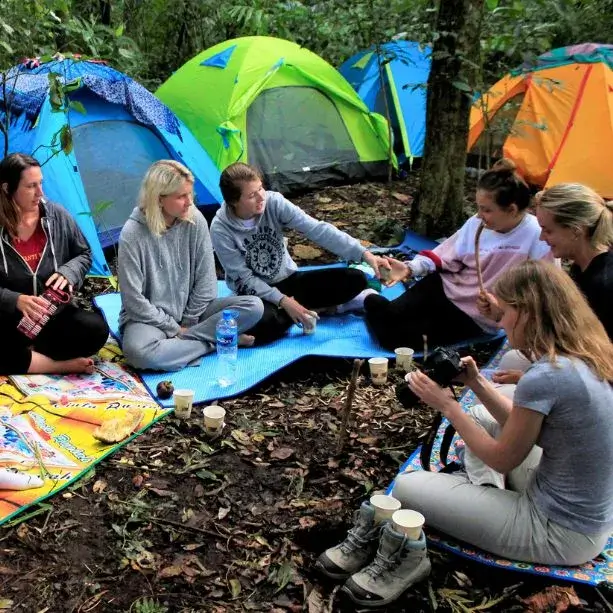
- Looking for lush tropical forests, sacred river gorges, and organic wellness? Compare the best spots in our Ultimate Jungle Camps in Bali Directory.
Do you have any questions about navigating Kintamani’s steep roads, coping with seasonal farm flies, or picking the right hot spring glamping tent? We are here to help! Feel free to reach out to us directly through our Contact Us Page or send an email to hello@helpfulbali.com, and we will personally help you plan your dream Bali nature escape.